
Search Results for: food chain

The Spanish tourist sector faces news requirements to avoid food waste
The Food Loss and Waste Prevention bill establishes a series of obligations for the food chain – which includes hotels and restaurants – such as having a plan to prevent food losses, reaching agreements to donate their surpluses or allowing customers to take back uneaten food. On January 9, 2024, the Council of Ministers of […]

Companies in the tourism sector must register contracts with their food suppliers
Some tourism companies must sign written contracts with their food suppliers when they purchase from primary producers and register them on the Register of Agrifood Contracts of the Ministry of Agriculture, Fisheries and Food. The Food Supply Chain Law (LCA) applies to hospitality and food service businesses whose revenues exceed €10 million and to accommodation […]
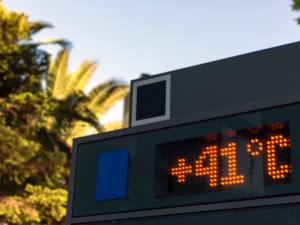
Tourism and climate change: a great challenge (and also an opportunity) for the sector
The impact that climate change is having on tourism requires the adoption of measures that contribute to reducing its effects, not only by complying with sustainability regulations, but also because of the opportunity that the implementation of the best environmental and social practices can represent for the future of the sector. Just after the summer […]